Buy artsenal.eu ?
We are moving the project
artsenal.eu .
Are you interested in purchasing the domain
artsenal.eu ?
domain@kv-gmbh.de · 0541-91531010
Buy artsenal.eu ?
"Sage lower classifications"
Sage lower classifications refer to the specific categories or subgroups within the broader classification of the plant genus Salvia, commonly known as sage. These lower classifications may include species, varieties, or cultivars that have distinct characteristics and are grouped together based on their genetic and morphological similarities. By organizing sage plants into lower classifications, it becomes easier for botanists and horticulturists to study, categorize, and understand the diversity within the genus Salvia. **
Does dried sage stick?
Yes, dried sage can stick to surfaces. When dried sage is crushed or ground, it can release natural oils that make it sticky. This stickiness can help the dried sage adhere to food or other surfaces, making it a useful ingredient in cooking and seasoning. However, the stickiness of dried sage may vary depending on its quality and how it is processed. **
Similar search terms for Sage
Top-Angebote
Products related to Sage:
-
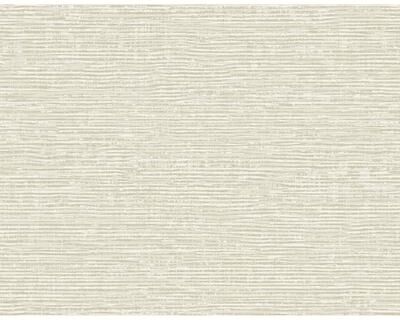
A-Street Prints Vivanta Sage Texture WallpaperA contemporary wallpaper with an flair, this textured design is complete with thin strings for a dimensional look. Light sage, beige and off-white hues will add a chic touch to rooms. Vivanta is an unpasted, string wallpaper.158,99 $*Shipping: 0,00 $Secure redirect to the provider
-
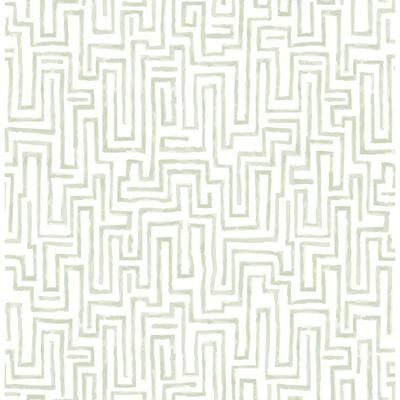
A-Street Prints Ramble Sage Geometric WallpaperThis geometric wallpaper brings a modern and playful finish to any space. The maze-like pattern is painted with sage green watercolors along a white backdrop. Ramble is an unpasted, non woven wallpaper.120,00 $*Shipping: 0,00 $Secure redirect to the provider
-
A-Street Prints Trilogy Sage Geometric WallpaperClean and simple, this dazzling geometric design will add a modern Scandinavian feel to rooms. Its palette of soft grey, beige and sage hues has a subtle look. Trilogy is an unpasted, non woven wallpaper.125,99 $*Shipping: 0,00 $Secure redirect to the provider


-
Is sage really poisonous?
Yes, sage can be poisonous if consumed in large quantities. The essential oils and compounds found in sage, such as thujone, can be toxic if ingested in large amounts. However, when used in culinary amounts, such as seasoning food, sage is safe to consume. It is important to use sage in moderation and consult with a healthcare professional if you have any concerns about its potential toxicity. **
-
Who would win: Jiraiya in Sage Mode or Naruto in Sage Mode?
It is difficult to determine a clear winner between Jiraiya in Sage Mode and Naruto in Sage Mode as both characters are incredibly powerful and skilled in their own right. Jiraiya is a legendary Sannin with years of experience and a wide range of jutsu at his disposal, while Naruto is the protagonist of the series and possesses immense chakra and the ability to connect with the Nine-Tails. Ultimately, the outcome of a battle between the two would depend on various factors such as strategy, environment, and the specific circumstances of the fight. **
-
Where can I buy sage?
Sage can typically be found in health food stores, specialty spice shops, or in the spice section of most grocery stores. It is also widely available for purchase online through various retailers. Additionally, you may be able to find fresh sage at farmer's markets or in the produce section of some grocery stores. **
-
Does sage tea have caffeine?
No, sage tea does not contain caffeine. Sage tea is an herbal tea made from the leaves of the sage plant, which does not naturally contain caffeine. This makes it a good option for those looking to avoid caffeine in their beverages. Sage tea is known for its earthy flavor and potential health benefits, such as improving digestion and reducing inflammation. **


How do you dry sage?
To dry sage, you can tie a bunch of sage stems together with a string and hang them upside down in a warm, dry place with good air circulation. Alternatively, you can lay the sage leaves out on a clean, dry surface in a single layer and let them air dry. It typically takes about 1-2 weeks for the sage to fully dry, depending on the method used and the humidity levels in the environment. Once the sage is dry, you can store it in an airtight container for later use. **
Can rabbits eat sage leaves?
Yes, rabbits can eat sage leaves in moderation as an occasional treat. Sage leaves are safe for rabbits to consume and can provide some nutritional benefits. However, it is important to introduce new foods slowly to prevent any digestive issues and to ensure that sage leaves do not make up a large portion of the rabbit's diet. Always consult with a veterinarian before making significant changes to your rabbit's diet. **
Top-Angebote
Products related to Sage:
-
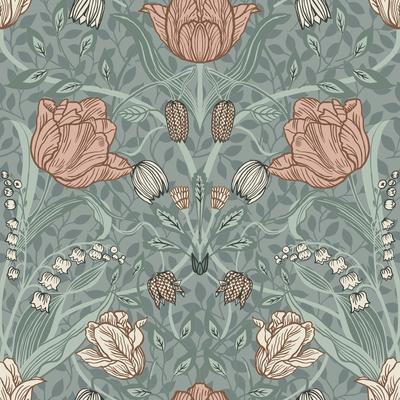
A-Street Prints Fillippa Sage Tulip WallpaperEnjoy an everlasting tulip garden with this stunning floral wallpaper. Delicate pink and creamy white tulips twine along a soft blue backdrop silhouetted with darker blue leafy vines. Fillippa is an unpasted, non woven wallpaper.117,49 $*Shipping: 0,00 $Secure redirect to the provider
-
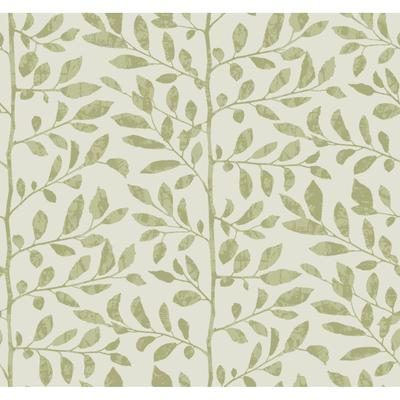
A-Street Prints Sagecrest Sage Sapling WallpaperOffering both botanical charms and an organic alternative to stripes, Sagecrest features spindly saplings with thin branches laden with leaves. Seen here with sage and moss green foliage against an ivory backdrop.153,00 $*Shipping: 0,00 $Secure redirect to the provider
-
A-Street Prints Vivanta Sage Texture WallpaperA contemporary wallpaper with an flair, this textured design is complete with thin strings for a dimensional look. Light sage, beige and off-white hues will add a chic touch to rooms. Vivanta is an unpasted, string wallpaper.158,99 $*Shipping: 0,00 $Secure redirect to the provider
-
A-Street Prints Ramble Sage Geometric WallpaperThis geometric wallpaper brings a modern and playful finish to any space. The maze-like pattern is painted with sage green watercolors along a white backdrop. Ramble is an unpasted, non woven wallpaper.120,00 $*Shipping: 0,00 $Secure redirect to the provider
-
"Sage lower classifications"
Sage lower classifications refer to the specific categories or subgroups within the broader classification of the plant genus Salvia, commonly known as sage. These lower classifications may include species, varieties, or cultivars that have distinct characteristics and are grouped together based on their genetic and morphological similarities. By organizing sage plants into lower classifications, it becomes easier for botanists and horticulturists to study, categorize, and understand the diversity within the genus Salvia. **
-
Does dried sage stick?
Yes, dried sage can stick to surfaces. When dried sage is crushed or ground, it can release natural oils that make it sticky. This stickiness can help the dried sage adhere to food or other surfaces, making it a useful ingredient in cooking and seasoning. However, the stickiness of dried sage may vary depending on its quality and how it is processed. **
-
Is sage really poisonous?
Yes, sage can be poisonous if consumed in large quantities. The essential oils and compounds found in sage, such as thujone, can be toxic if ingested in large amounts. However, when used in culinary amounts, such as seasoning food, sage is safe to consume. It is important to use sage in moderation and consult with a healthcare professional if you have any concerns about its potential toxicity. **
-
Who would win: Jiraiya in Sage Mode or Naruto in Sage Mode?
It is difficult to determine a clear winner between Jiraiya in Sage Mode and Naruto in Sage Mode as both characters are incredibly powerful and skilled in their own right. Jiraiya is a legendary Sannin with years of experience and a wide range of jutsu at his disposal, while Naruto is the protagonist of the series and possesses immense chakra and the ability to connect with the Nine-Tails. Ultimately, the outcome of a battle between the two would depend on various factors such as strategy, environment, and the specific circumstances of the fight. **
Similar search terms for Sage
-
A-Street Prints Trilogy Sage Geometric WallpaperClean and simple, this dazzling geometric design will add a modern Scandinavian feel to rooms. Its palette of soft grey, beige and sage hues has a subtle look. Trilogy is an unpasted, non woven wallpaper.125,99 $*Shipping: 0,00 $Secure redirect to the provider
-
A-Street Prints Evanthe Sage Vine WallpaperTwo-tone vines with rounded leaves twine together in this oversized and highly detailed botanical design. The sage and cream leaves are brushed with metallic gold luster and are offset by a pale grey backdrop.153,00 $*Shipping: 0,00 $Secure redirect to the provider
-
A-Street Prints Braden Sage Tile WallpaperEnjoy a more stylish and convenient take on subway tile with this gorgeous wallpaper. The checkerboard-esque pattern alternates between a cool sage green and pearlescent white. Braden is an unpasted, non woven wallpaper.124,99 $*Shipping: 0,00 $Secure redirect to the provider
-
Where can I buy sage?
Sage can typically be found in health food stores, specialty spice shops, or in the spice section of most grocery stores. It is also widely available for purchase online through various retailers. Additionally, you may be able to find fresh sage at farmer's markets or in the produce section of some grocery stores. **
-
Does sage tea have caffeine?
No, sage tea does not contain caffeine. Sage tea is an herbal tea made from the leaves of the sage plant, which does not naturally contain caffeine. This makes it a good option for those looking to avoid caffeine in their beverages. Sage tea is known for its earthy flavor and potential health benefits, such as improving digestion and reducing inflammation. **
-
How do you dry sage?
To dry sage, you can tie a bunch of sage stems together with a string and hang them upside down in a warm, dry place with good air circulation. Alternatively, you can lay the sage leaves out on a clean, dry surface in a single layer and let them air dry. It typically takes about 1-2 weeks for the sage to fully dry, depending on the method used and the humidity levels in the environment. Once the sage is dry, you can store it in an airtight container for later use. **
-
Can rabbits eat sage leaves?
Yes, rabbits can eat sage leaves in moderation as an occasional treat. Sage leaves are safe for rabbits to consume and can provide some nutritional benefits. However, it is important to introduce new foods slowly to prevent any digestive issues and to ensure that sage leaves do not make up a large portion of the rabbit's diet. Always consult with a veterinarian before making significant changes to your rabbit's diet. **
* All prices are inclusive of VAT and, if applicable, plus shipping costs. The offer information is based on the details provided by the respective shop and is updated through automated processes. Real-time updates do not occur, so deviations can occur in individual cases. ** Note: Parts of this content were created by AI.