Buy artsenal.eu ?
We are moving the project
artsenal.eu .
Are you interested in purchasing the domain
artsenal.eu ?
domain@kv-gmbh.de · 0541-91531010
Buy artsenal.eu ?
What is a possessive determiner?
A possessive determiner is a word that is used before a noun to show ownership or possession. Examples of possessive determiners include words like "my," "your," "his," "her," "its," "our," and "their." These determiners indicate who the noun belongs to or is associated with. **
What is a possessive determiner in French?
A possessive determiner in French is a word that indicates ownership or possession. It agrees in gender and number with the noun it is describing. Examples of possessive determiners in French include "mon" (my), "ton" (your), "son" (his/her/its), "notre" (our), and "leur" (their). These determiners are placed before the noun they modify. **


Similar search terms for Determiner
Top-Angebote
Products related to Determiner:
-
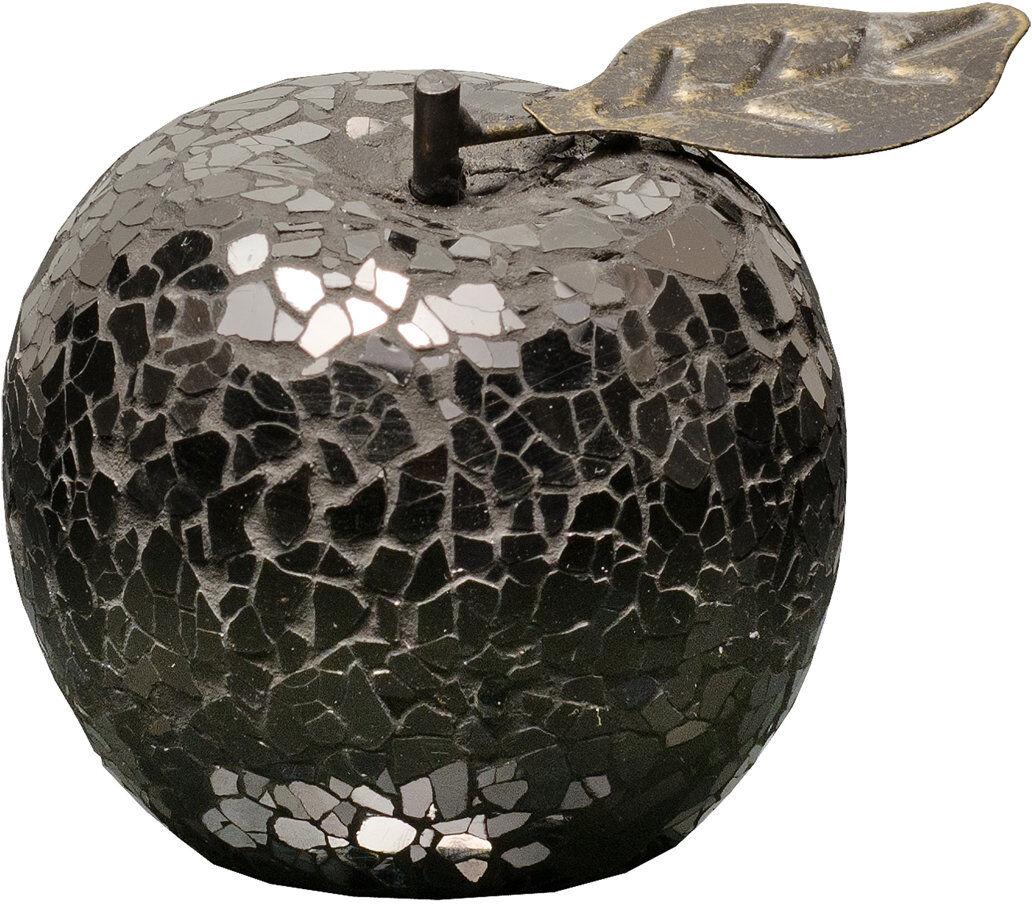
Home Essence Figurines & Sculptures BlackThe Mosaic Apple Ornament makes a fantastic display item to go around the home, especially grouped in a bowl as the centerpiece at the dining table. Each apple has a unique pattern. Home Essence Colour: Black57,30 £*Shipping: 0,00 £Secure redirect to the provider
-
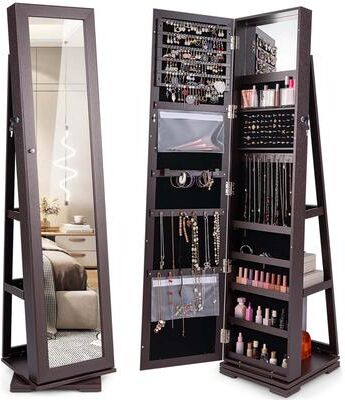
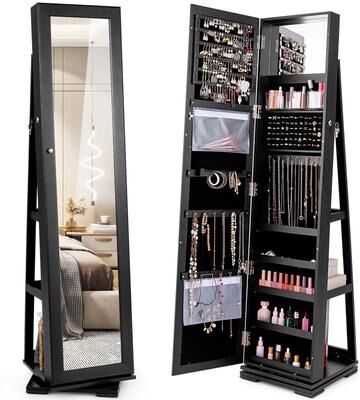
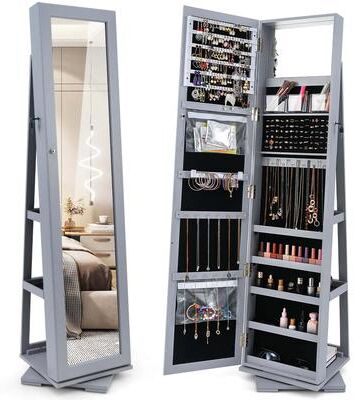
Armoire Jewelry Cabinet Standing Jewelry OrganizerDescription This is our jewelry cabinet which is equipped with a big mirror and own a powerful storage capacity. It makes it easy to choose your jewelry in the morning without the frustration of looking for loose/missing pieces.305,49 $*Shipping: 0,00 $Secure redirect to the provider
-
Armoire Jewelry Cabinet Standing Jewelry OrganizerDescription This is our jewelry cabinet which is equipped with a big mirror and own a powerful storage capacity. It makes it easy to choose your jewelry in the morning without the frustration of looking for loose/missing pieces.178,19 $*Shipping: 0,00 $Secure redirect to the provider


-
What is a possessive determiner in English?
A possessive determiner in English is a word that is used before a noun to show ownership or possession. Examples of possessive determiners include "my," "your," "his," "her," "its," "our," and "their." These determiners indicate who the noun belongs to or is associated with. Possessive determiners are an essential part of grammar as they help clarify relationships between people or things. **
-
Does French have the demonstrative determiner "cettes"?
No, French does not have the demonstrative determiner "cettes." The correct forms of the demonstrative determiner in French are "cette" for singular feminine nouns, "ce" for singular masculine nouns, and "ces" for plural nouns regardless of gender. "Cettes" is not a standard form in the French language. **
-
Do you capitalize adjectives when they are preceded by a determiner?
In English, adjectives are not capitalized when they are preceded by a determiner. Determiners are words like "the," "a," "an," "this," "my," etc. Adjectives are only capitalized when they are at the beginning of a sentence or part of a proper noun. **
-
What attracts you to nude sculptures and paintings?
I am attracted to nude sculptures and paintings because they often capture the beauty and complexity of the human form in a raw and unfiltered way. The artists' ability to convey emotion, vulnerability, and strength through the depiction of the nude figure is captivating to me. Additionally, I appreciate the skill and technique required to create realistic and expressive representations of the human body. Overall, nude art allows for a deeper exploration of the human experience and a celebration of the natural form. **
Do you write adjectives in capital or lowercase letters when there is a determiner before them?
Adjectives are typically written in lowercase letters when there is a determiner before them. Determiners such as articles (a, an, the), possessive pronouns (my, your, his), and demonstratives (this, that) are usually written in lowercase, while the adjective that follows them is also written in lowercase. This maintains consistency in sentence structure and follows standard grammar rules. **
In French, do you use an apostrophe with the interrogative pronoun "quelle" and the possessive determiner "ma"?
Yes, in French, you use an apostrophe with the interrogative pronoun "quelle" and the possessive determiner "ma" when they are followed by a word starting with a vowel or a silent "h". For example, "quelle est ton adresse?" (What is your address?) and "ma amie" (my friend). **
Top-Angebote
Products related to Determiner:
-
Lilys Living "Approx.6"" High Earthy Gray Pottery Vase with Tribe Prints""Approx.6"" High Earthy Gray Pottery Vase with Tribe Prints LOOK & DESIGN: This tribal print vase features a small gray pottery style; perfectly crafted for a classic and rustic appearance; adds elegance to your space; the intricate detailing and..."158,70 $*Shipping: 0,00 $Secure redirect to the provider
-
PRiME Landscape Canvas Wall Art Set, Modern Living Room Decor Paintings Landscape Canvas Wall Art Set, Modern Living Room Decor PaintingsTransform your space with this 5Pcs Canvas Print Paintings Landscape Pictures Wall Art Modern Living Room Decor set. Designed to bring life, depth, and elegance to any room, this landscape wall art set features stunning natural scenery that...29,97 $*Shipping: 0,00 $Secure redirect to the provider
-
Home Essence Figurines & Sculptures BlackThe Mosaic Apple Ornament makes a fantastic display item to go around the home, especially grouped in a bowl as the centerpiece at the dining table. Each apple has a unique pattern. Home Essence Colour: Black57,30 £*Shipping: 0,00 £Secure redirect to the provider
-
What is a possessive determiner?
A possessive determiner is a word that is used before a noun to show ownership or possession. Examples of possessive determiners include words like "my," "your," "his," "her," "its," "our," and "their." These determiners indicate who the noun belongs to or is associated with. **
-
What is a possessive determiner in French?
A possessive determiner in French is a word that indicates ownership or possession. It agrees in gender and number with the noun it is describing. Examples of possessive determiners in French include "mon" (my), "ton" (your), "son" (his/her/its), "notre" (our), and "leur" (their). These determiners are placed before the noun they modify. **
-
What is a possessive determiner in English?
A possessive determiner in English is a word that is used before a noun to show ownership or possession. Examples of possessive determiners include "my," "your," "his," "her," "its," "our," and "their." These determiners indicate who the noun belongs to or is associated with. Possessive determiners are an essential part of grammar as they help clarify relationships between people or things. **
-
Does French have the demonstrative determiner "cettes"?
No, French does not have the demonstrative determiner "cettes." The correct forms of the demonstrative determiner in French are "cette" for singular feminine nouns, "ce" for singular masculine nouns, and "ces" for plural nouns regardless of gender. "Cettes" is not a standard form in the French language. **
Similar search terms for Determiner
-
Armoire Jewelry Cabinet Standing Jewelry OrganizerDescription This is our jewelry cabinet which is equipped with a big mirror and own a powerful storage capacity. It makes it easy to choose your jewelry in the morning without the frustration of looking for loose/missing pieces.305,49 $*Shipping: 0,00 $Secure redirect to the provider
-
Armoire Jewelry Cabinet Standing Jewelry OrganizerDescription This is our jewelry cabinet which is equipped with a big mirror and own a powerful storage capacity. It makes it easy to choose your jewelry in the morning without the frustration of looking for loose/missing pieces.178,19 $*Shipping: 0,00 $Secure redirect to the provider
-
Armoire Jewelry Cabinet Standing Jewelry OrganizerDescription This is our jewelry cabinet which is equipped with a big mirror and own a powerful storage capacity. It makes it easy to choose your jewelry in the morning without the frustration of looking for loose/missing pieces.298,99 $*Shipping: 0,00 $Secure redirect to the provider
-
Armoire Jewelry Cabinet Standing Jewelry OrganizerDescription This is our jewelry cabinet which is equipped with a big mirror and own a powerful storage capacity. It makes it easy to choose your jewelry in the morning without the frustration of looking for loose/missing pieces.199,94 $*Shipping: 0,00 $Secure redirect to the provider
-
Do you capitalize adjectives when they are preceded by a determiner?
In English, adjectives are not capitalized when they are preceded by a determiner. Determiners are words like "the," "a," "an," "this," "my," etc. Adjectives are only capitalized when they are at the beginning of a sentence or part of a proper noun. **
-
What attracts you to nude sculptures and paintings?
I am attracted to nude sculptures and paintings because they often capture the beauty and complexity of the human form in a raw and unfiltered way. The artists' ability to convey emotion, vulnerability, and strength through the depiction of the nude figure is captivating to me. Additionally, I appreciate the skill and technique required to create realistic and expressive representations of the human body. Overall, nude art allows for a deeper exploration of the human experience and a celebration of the natural form. **
-
Do you write adjectives in capital or lowercase letters when there is a determiner before them?
Adjectives are typically written in lowercase letters when there is a determiner before them. Determiners such as articles (a, an, the), possessive pronouns (my, your, his), and demonstratives (this, that) are usually written in lowercase, while the adjective that follows them is also written in lowercase. This maintains consistency in sentence structure and follows standard grammar rules. **
-
In French, do you use an apostrophe with the interrogative pronoun "quelle" and the possessive determiner "ma"?
Yes, in French, you use an apostrophe with the interrogative pronoun "quelle" and the possessive determiner "ma" when they are followed by a word starting with a vowel or a silent "h". For example, "quelle est ton adresse?" (What is your address?) and "ma amie" (my friend). **
* All prices are inclusive of VAT and, if applicable, plus shipping costs. The offer information is based on the details provided by the respective shop and is updated through automated processes. Real-time updates do not occur, so deviations can occur in individual cases. ** Note: Parts of this content were created by AI.