Buy artsenal.eu ?
We are moving the project
artsenal.eu .
Are you interested in purchasing the domain
artsenal.eu ?
domain@kv-gmbh.de · 0541-91531010
Buy artsenal.eu ?
What is the difference between allopatric and sympatric speciation?
Allopatric speciation occurs when a population is separated by a physical barrier, such as a river or mountain range, leading to the evolution of two separate species. In contrast, sympatric speciation occurs when a new species evolves within the same geographic area as its parent species, without any physical barriers. Sympatric speciation often involves factors such as ecological, behavioral, or genetic differences driving the formation of a new species within the same habitat. **
Does allopatric speciation always occur only through geographic isolation?
No, allopatric speciation does not always occur only through geographic isolation. While geographic isolation is a common mechanism for allopatric speciation, it is not the only way that populations can become reproductively isolated. Other factors such as ecological or behavioral differences can also lead to reproductive isolation and ultimately speciation, even in the absence of physical barriers. For example, if two populations of a species inhabit different ecological niches and do not interbreed due to differences in their behaviors or mating preferences, they can still undergo allopatric speciation without being geographically isolated. **


Similar search terms for Allopatric
Top-Angebote
Products related to Allopatric:
-
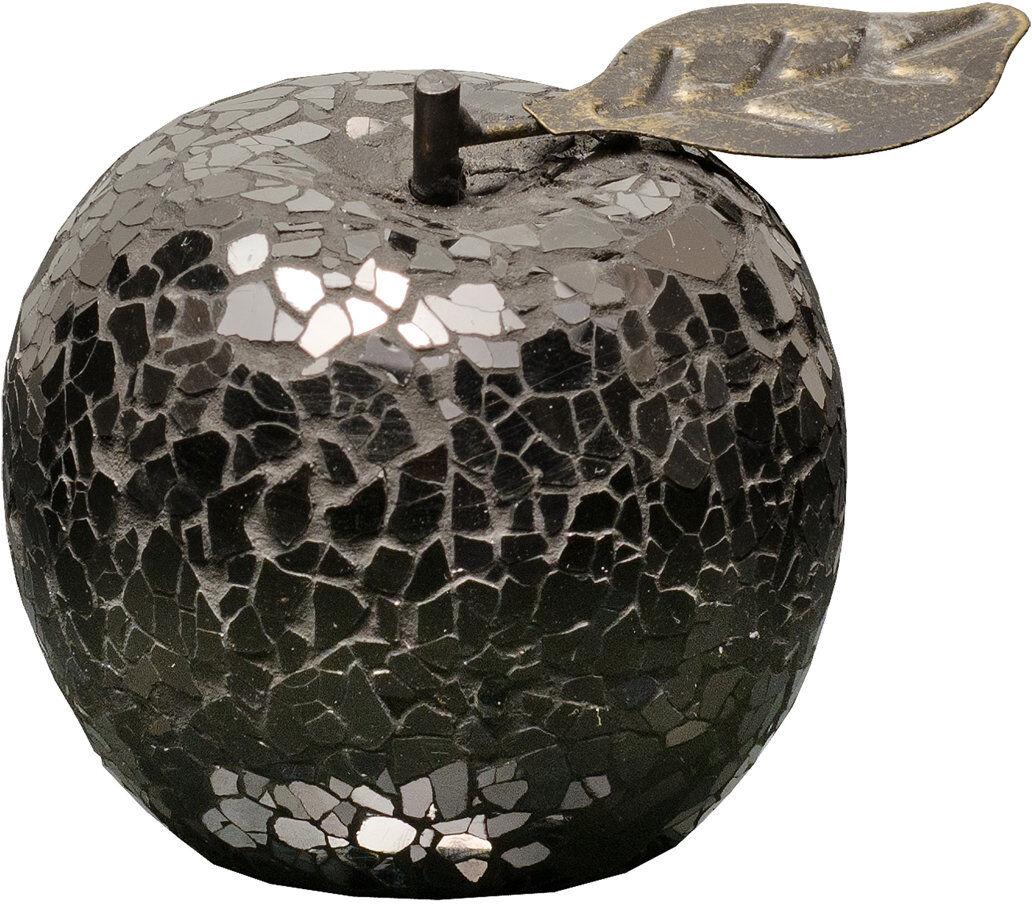
Home Essence Figurines & Sculptures BlackThe Mosaic Apple Ornament makes a fantastic display item to go around the home, especially grouped in a bowl as the centerpiece at the dining table. Each apple has a unique pattern. Home Essence Colour: Black57,30 £*Shipping: 0,00 £Secure redirect to the provider
-
Brayden Studio Aluminum Figurines & Sculptures IvoryEnhance your home with this refined sculptural metal vase, featuring an architectural pedestal silhouette and elegant matte ivory finish with an antique nickel-inspired texture. Crafted from durable lightweight aluminium, it blends minimalist sophistication with artistic form, making it perfect for floral arrangements, Ikebana styling, consoles, and mantels. A beautiful centrepiece for Japandi, minimalist, and luxury home interiors. Brayden Studio74,99 £*Shipping: 0,00 £Secure redirect to the provider
-
Armoire Jewelry Cabinet Standing Jewelry OrganizerDescription This is our jewelry cabinet which is equipped with a big mirror and own a powerful storage capacity. It makes it easy to choose your jewelry in the morning without the frustration of looking for loose/missing pieces.305,49 $*Shipping: 0,00 $Secure redirect to the provider



-
Why does adaptive radiation occur through allopatric speciation processes?
Adaptive radiation occurs through allopatric speciation processes because when a population becomes geographically isolated, different environmental conditions and selective pressures can lead to the evolution of new traits and adaptations. This can result in the rapid diversification of species as they adapt to their specific habitats and niches. Over time, this can lead to the emergence of multiple new species with distinct characteristics, allowing them to occupy different ecological roles and reduce competition among them. **
-
What is the difference between allopatric speciation and adaptive radiation?
Allopatric speciation occurs when a population is geographically isolated from one another, leading to genetic divergence and the formation of new species. This isolation can be caused by physical barriers such as mountains or bodies of water. On the other hand, adaptive radiation is the rapid diversification of a single ancestral species into multiple new species, often due to the colonization of new environments or the exploitation of new ecological niches. While allopatric speciation is driven by geographic isolation, adaptive radiation is driven by ecological opportunity and the exploitation of diverse habitats. **
-
What is the difference between adaptive radiation and allopatric speciation?
Adaptive radiation is a process in which a single ancestral species diversifies into a variety of different species, each adapted to a specific ecological niche. This can occur when a new environment or ecological opportunity becomes available, leading to the rapid evolution of multiple new species. Allopatric speciation, on the other hand, occurs when a population is divided into separate, geographically isolated subpopulations, leading to the evolution of distinct species due to genetic drift, natural selection, and other evolutionary forces acting independently in each population. While adaptive radiation can occur in allopatric speciation, it can also occur in other speciation processes such as sympatric speciation. **
-
What attracts you to nude sculptures and paintings?
I am attracted to nude sculptures and paintings because they often capture the beauty and complexity of the human form in a raw and unfiltered way. The artists' ability to convey emotion, vulnerability, and strength through the depiction of the nude figure is captivating to me. Additionally, I appreciate the skill and technique required to create realistic and expressive representations of the human body. Overall, nude art allows for a deeper exploration of the human experience and a celebration of the natural form. **


How does allopatric speciation occur between the silver gull and the herring gull?
Allopatric speciation occurs between the silver gull and the herring gull when a physical barrier, such as a body of water, separates the two populations. This isolation prevents the two populations from interbreeding and exchanging genetic material. Over time, the isolated populations accumulate genetic differences through mutation, genetic drift, and natural selection, leading to the formation of distinct species. As a result, the silver gull and the herring gull evolve separately and become reproductively isolated from each other, ultimately leading to the formation of two distinct species. **
How has the species diversity in cichlids in Lake Tanganyika arisen through allopatric speciation?
The species diversity in cichlids in Lake Tanganyika has arisen through allopatric speciation, which occurs when a population is geographically isolated and evolves separately from the original population. In the case of Lake Tanganyika, the lake's complex and varied habitat has led to the formation of different isolated populations of cichlids. Over time, these isolated populations have evolved unique traits and characteristics, leading to the formation of new species. The geographical isolation and the diverse ecological niches within the lake have allowed for the rapid diversification of cichlids through allopatric speciation. **
Top-Angebote
Products related to Allopatric:
-
Lilys Living "Approx.6"" High Earthy Gray Pottery Vase with Tribe Prints""Approx.6"" High Earthy Gray Pottery Vase with Tribe Prints LOOK & DESIGN: This tribal print vase features a small gray pottery style; perfectly crafted for a classic and rustic appearance; adds elegance to your space; the intricate detailing and..."158,70 $*Shipping: 0,00 $Secure redirect to the provider
-
PRiME Landscape Canvas Wall Art Set, Modern Living Room Decor Paintings Landscape Canvas Wall Art Set, Modern Living Room Decor PaintingsTransform your space with this 5Pcs Canvas Print Paintings Landscape Pictures Wall Art Modern Living Room Decor set. Designed to bring life, depth, and elegance to any room, this landscape wall art set features stunning natural scenery that...29,97 $*Shipping: 0,00 $Secure redirect to the provider
-
Home Essence Figurines & Sculptures BlackThe Mosaic Apple Ornament makes a fantastic display item to go around the home, especially grouped in a bowl as the centerpiece at the dining table. Each apple has a unique pattern. Home Essence Colour: Black57,30 £*Shipping: 0,00 £Secure redirect to the provider
-
What is the difference between allopatric and sympatric speciation?
Allopatric speciation occurs when a population is separated by a physical barrier, such as a river or mountain range, leading to the evolution of two separate species. In contrast, sympatric speciation occurs when a new species evolves within the same geographic area as its parent species, without any physical barriers. Sympatric speciation often involves factors such as ecological, behavioral, or genetic differences driving the formation of a new species within the same habitat. **
-
Does allopatric speciation always occur only through geographic isolation?
No, allopatric speciation does not always occur only through geographic isolation. While geographic isolation is a common mechanism for allopatric speciation, it is not the only way that populations can become reproductively isolated. Other factors such as ecological or behavioral differences can also lead to reproductive isolation and ultimately speciation, even in the absence of physical barriers. For example, if two populations of a species inhabit different ecological niches and do not interbreed due to differences in their behaviors or mating preferences, they can still undergo allopatric speciation without being geographically isolated. **
-
Why does adaptive radiation occur through allopatric speciation processes?
Adaptive radiation occurs through allopatric speciation processes because when a population becomes geographically isolated, different environmental conditions and selective pressures can lead to the evolution of new traits and adaptations. This can result in the rapid diversification of species as they adapt to their specific habitats and niches. Over time, this can lead to the emergence of multiple new species with distinct characteristics, allowing them to occupy different ecological roles and reduce competition among them. **
-
What is the difference between allopatric speciation and adaptive radiation?
Allopatric speciation occurs when a population is geographically isolated from one another, leading to genetic divergence and the formation of new species. This isolation can be caused by physical barriers such as mountains or bodies of water. On the other hand, adaptive radiation is the rapid diversification of a single ancestral species into multiple new species, often due to the colonization of new environments or the exploitation of new ecological niches. While allopatric speciation is driven by geographic isolation, adaptive radiation is driven by ecological opportunity and the exploitation of diverse habitats. **
Similar search terms for Allopatric
-
Brayden Studio Aluminum Figurines & Sculptures IvoryEnhance your home with this refined sculptural metal vase, featuring an architectural pedestal silhouette and elegant matte ivory finish with an antique nickel-inspired texture. Crafted from durable lightweight aluminium, it blends minimalist sophistication with artistic form, making it perfect for floral arrangements, Ikebana styling, consoles, and mantels. A beautiful centrepiece for Japandi, minimalist, and luxury home interiors. Brayden Studio74,99 £*Shipping: 0,00 £Secure redirect to the provider
-
Armoire Jewelry Cabinet Standing Jewelry OrganizerDescription This is our jewelry cabinet which is equipped with a big mirror and own a powerful storage capacity. It makes it easy to choose your jewelry in the morning without the frustration of looking for loose/missing pieces.305,49 $*Shipping: 0,00 $Secure redirect to the provider
-
Armoire Jewelry Cabinet Standing Jewelry OrganizerDescription This is our jewelry cabinet which is equipped with a big mirror and own a powerful storage capacity. It makes it easy to choose your jewelry in the morning without the frustration of looking for loose/missing pieces.178,19 $*Shipping: 0,00 $Secure redirect to the provider
-
Armoire Jewelry Cabinet Standing Jewelry OrganizerDescription This is our jewelry cabinet which is equipped with a big mirror and own a powerful storage capacity. It makes it easy to choose your jewelry in the morning without the frustration of looking for loose/missing pieces.298,99 $*Shipping: 0,00 $Secure redirect to the provider
-
What is the difference between adaptive radiation and allopatric speciation?
Adaptive radiation is a process in which a single ancestral species diversifies into a variety of different species, each adapted to a specific ecological niche. This can occur when a new environment or ecological opportunity becomes available, leading to the rapid evolution of multiple new species. Allopatric speciation, on the other hand, occurs when a population is divided into separate, geographically isolated subpopulations, leading to the evolution of distinct species due to genetic drift, natural selection, and other evolutionary forces acting independently in each population. While adaptive radiation can occur in allopatric speciation, it can also occur in other speciation processes such as sympatric speciation. **
-
What attracts you to nude sculptures and paintings?
I am attracted to nude sculptures and paintings because they often capture the beauty and complexity of the human form in a raw and unfiltered way. The artists' ability to convey emotion, vulnerability, and strength through the depiction of the nude figure is captivating to me. Additionally, I appreciate the skill and technique required to create realistic and expressive representations of the human body. Overall, nude art allows for a deeper exploration of the human experience and a celebration of the natural form. **
-
How does allopatric speciation occur between the silver gull and the herring gull?
Allopatric speciation occurs between the silver gull and the herring gull when a physical barrier, such as a body of water, separates the two populations. This isolation prevents the two populations from interbreeding and exchanging genetic material. Over time, the isolated populations accumulate genetic differences through mutation, genetic drift, and natural selection, leading to the formation of distinct species. As a result, the silver gull and the herring gull evolve separately and become reproductively isolated from each other, ultimately leading to the formation of two distinct species. **
-
How has the species diversity in cichlids in Lake Tanganyika arisen through allopatric speciation?
The species diversity in cichlids in Lake Tanganyika has arisen through allopatric speciation, which occurs when a population is geographically isolated and evolves separately from the original population. In the case of Lake Tanganyika, the lake's complex and varied habitat has led to the formation of different isolated populations of cichlids. Over time, these isolated populations have evolved unique traits and characteristics, leading to the formation of new species. The geographical isolation and the diverse ecological niches within the lake have allowed for the rapid diversification of cichlids through allopatric speciation. **
* All prices are inclusive of VAT and, if applicable, plus shipping costs. The offer information is based on the details provided by the respective shop and is updated through automated processes. Real-time updates do not occur, so deviations can occur in individual cases. ** Note: Parts of this content were created by AI.